

Opening borders to US dairy could affect farmer livelihoods and religious feelings, as India’s dairy industry employs over 80 million people and provides food for 1.4 billion people. Find out why India views this as a non-negotiable issue and how it may influence economic relations going forward.
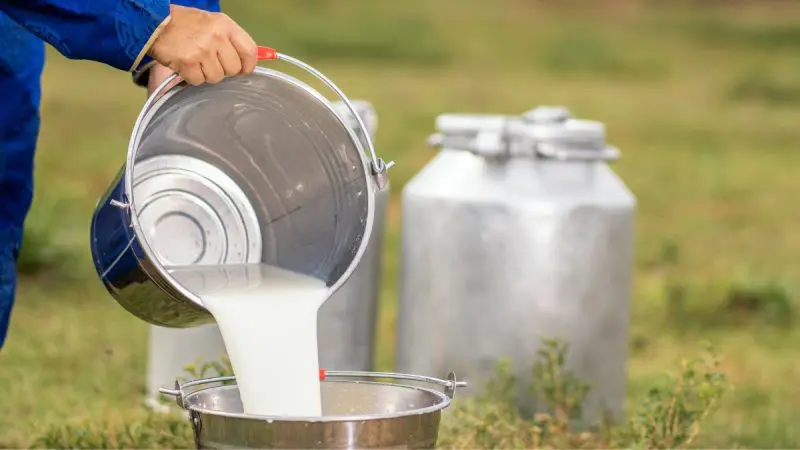
Describe “Non-Veg” Milk.
One of the most bizarre terms we have come across lately is ‘Non-veg milk.’ How can milk, which comes from cows, be non-vegetarian? Well, the milk might not be non-vegetarian, but the diet consumed by the cows leads to this term. Dairy farming practices in the USA often allow cows to eat feed that includes animal-based products, like meat, blood, and other parts from animals like pigs, fish, and even other cattle.
Cattle feed in the United States may contain tallow for fattening, pig and horse blood for protein, and even residual parts of animals that have been processed for other uses, according to a Seattle Post-Intelligencer article, according to NDTV.
It is a typical strategy to increase milk production since it offers inexpensive protein. However, cows in India are typically fed a vegetarian diet consisting of plant-based feed, grass, and grains.
Why Does India Have A Problem With It?
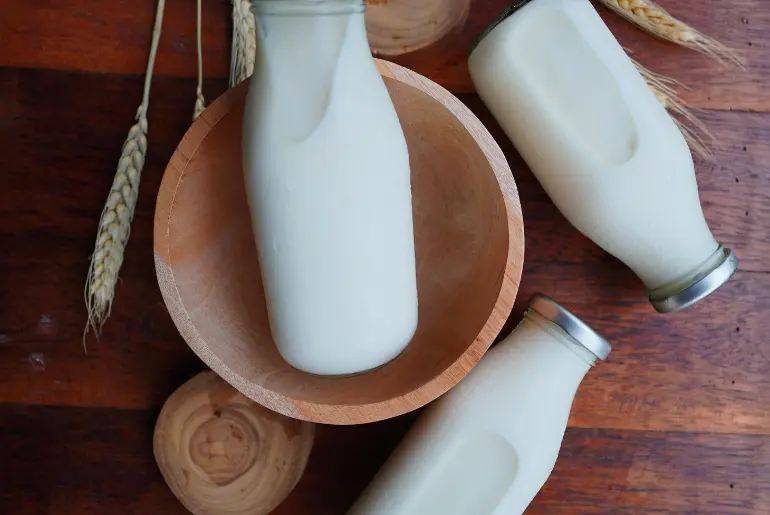
Since the beginning of time, milk and other dairy products have been an integral component of Indian culture, customs, and religion, serving as more than just a nutritional supply. The idea that it is pure and vegetarian supports the use of ghee or curd in religious rites as well as the offering of milk in temples. Therefore, it seems totally at odds with Indian ideas that milk might derive from cows that were fed animal food.
India has referred to this matter as a “non-negotiable red line” in trade negotiations because of this. Strict confirmation that all imported milk originates from cows that have never been fed animal-based feed is what the government wants. “Imagine eating butter derived from the milk of a cow that was fed flesh and blood from another animal,” said Ajay Srivastava of the Global Trade Research Institute. India might not permit that.
This demand is viewed as a significant obstacle by the US. They contend that their dairy products are safe and that many people around the world use them. According to Money Control, they have even brought up this matter at the World Trade Organization (WTO), pointing out that India’s revised dairy import certification regulations, which were implemented in November 2024, make no mention of such stringent vegetarian feed specifications.
Why Does This Matter So Much?
India is the world’s greatest producer of milk in addition to being its top consumer. Over 80 million farmers are supported by our dairy industry, which also makes between 2.5% and 3% of the country’s GDP (roughly ₹7.5 to ₹9 lakh crore). Costlier American dairy goods could drive down prices and harm millions of Indian farmers if India opens its market to them.
According to an SBI research, if this occurs, India might lose ₹1.03 lakh crore year, according to NDTV. In India, it is not just about milk; it is also about identity, religion, culture, and economy. Millions of individuals who consider “non-vegetarian” milk to be pure and sacred will be impacted if it is permitted. For the United States, it is about having access to a huge market.
Will the two nations reach a resolution as the trade deal deadline draws near, or will a glass of milk ruin a billion-dollar accord? Time will tell.