


She Died at Just 15–18 Years Old
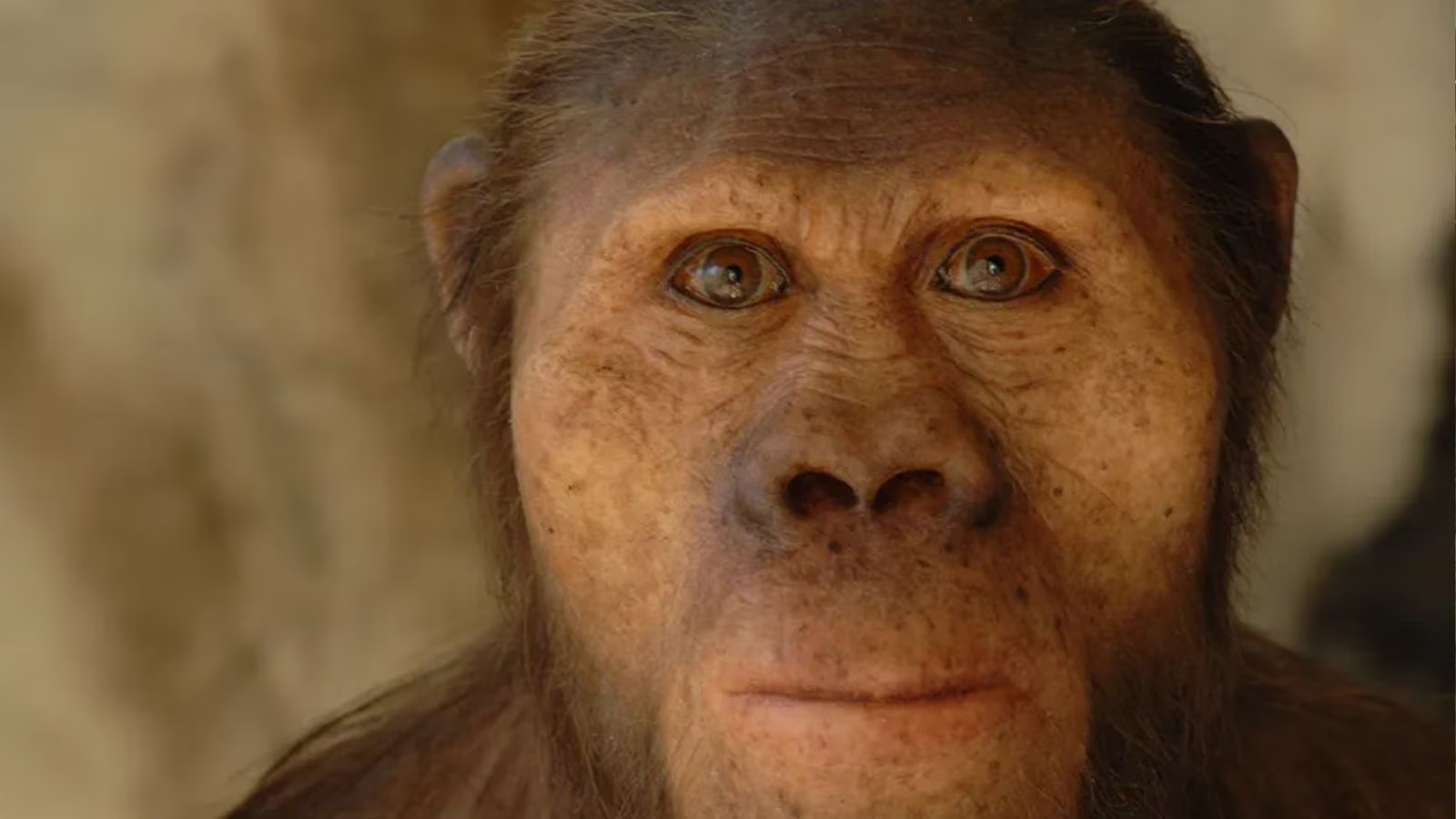
For thousands of years, humanity left behind only tools and artefacts as clues to their lives. But modern technology is now helping archaeologists uncover deeper insights into how our ancestors lived—and even what they looked like. Scientists can now reconstruct ancient faces, answering a question that has fascinated people for centuries: what did early humans really look like?

The question has intrigued not only historians and archaeologists but also the general public. For many people, it offers a way to connect with the past and understand how far humanity has evolved since the age of cave dwellers. A facial reconstruction created a few years ago by researchers at the University of Athens showed how modern technology can bridge the gap between ancient history and the present day.
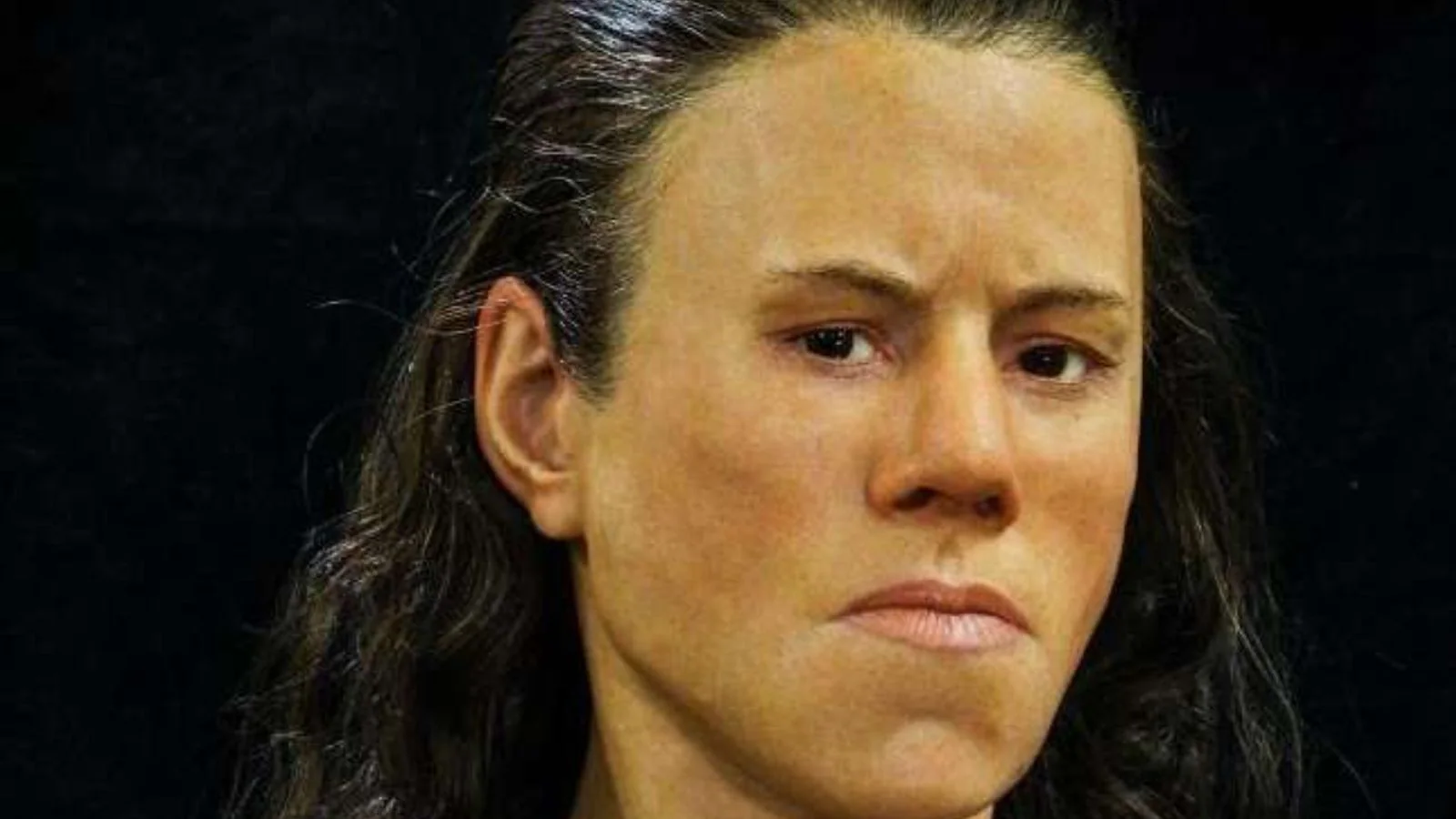
In 2018, scientists recreated the face of a teenage girl believed to be between 15 and 18 years old at the time of her death, using remains discovered in a Greek cave in 1993. The girl was named Avgi—the Greek word for “Dawn”—because she lived during the Mesolithic period around 7,000 BC, often seen as the dawn of civilisation. Her lifelike silicone model was created using advanced CT scans and 3D printing technology.
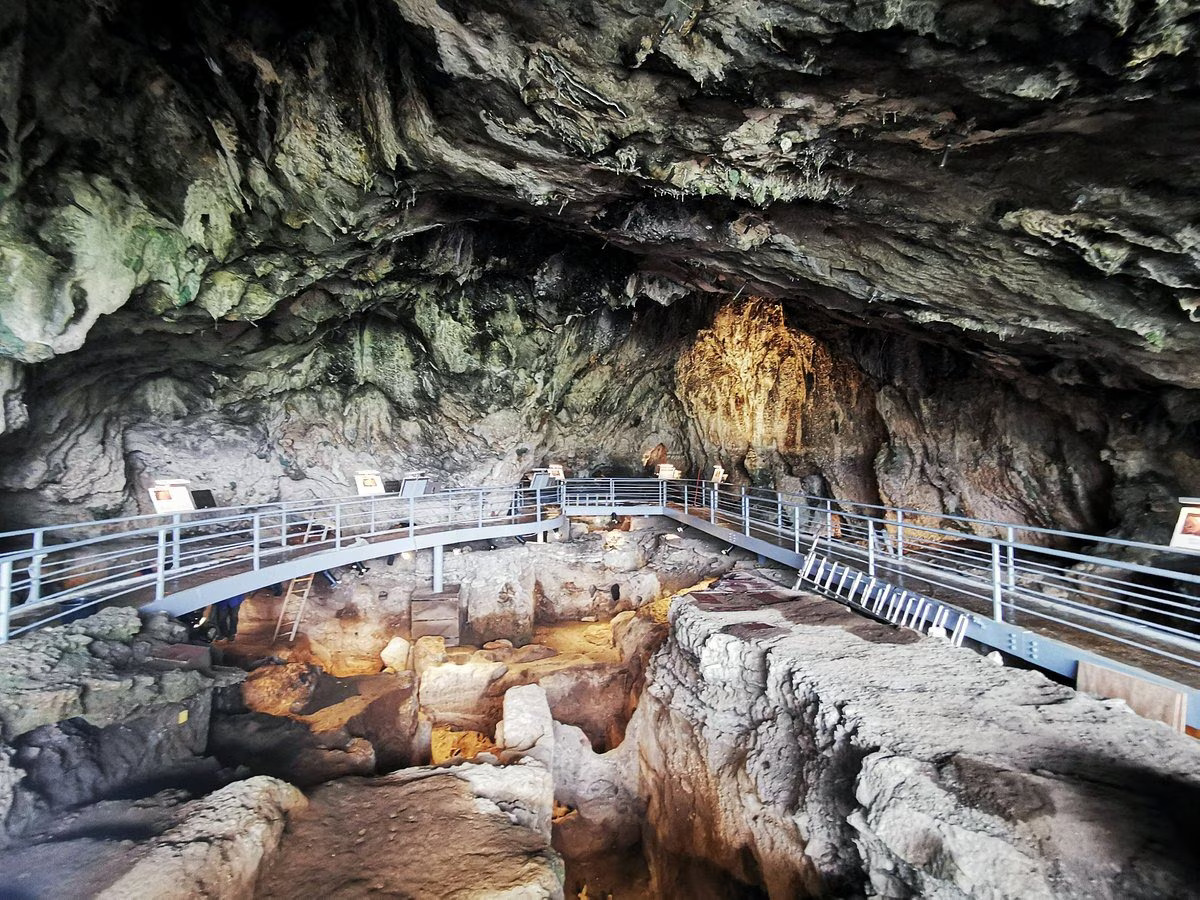
Dawn’s remains were found in Theopetra Cave in the central Greek region of Thessaly. The cave is believed to have been inhabited as early as 100,000 years ago, according to Reuters. Archaeologists have discovered stone tools from the Paleolithic, Mesolithic, and Neolithic periods there, along with pottery fragments from the Neolithic Age, highlighting the site’s long and continuous human presence.

Dawn’s remains offered rare insights into how human facial features may have evolved over time. Scientists reconstructed the teenager’s face to show what people looked like during the Mesolithic period around 7,000 BC. When the model was unveiled, Dawn’s scowling expression sparked widespread curiosity. The 9,000-year-old teen is believed to have had long dark hair, prominent cheekbones, and a heavy brow, giving a striking glimpse into early human appearance.
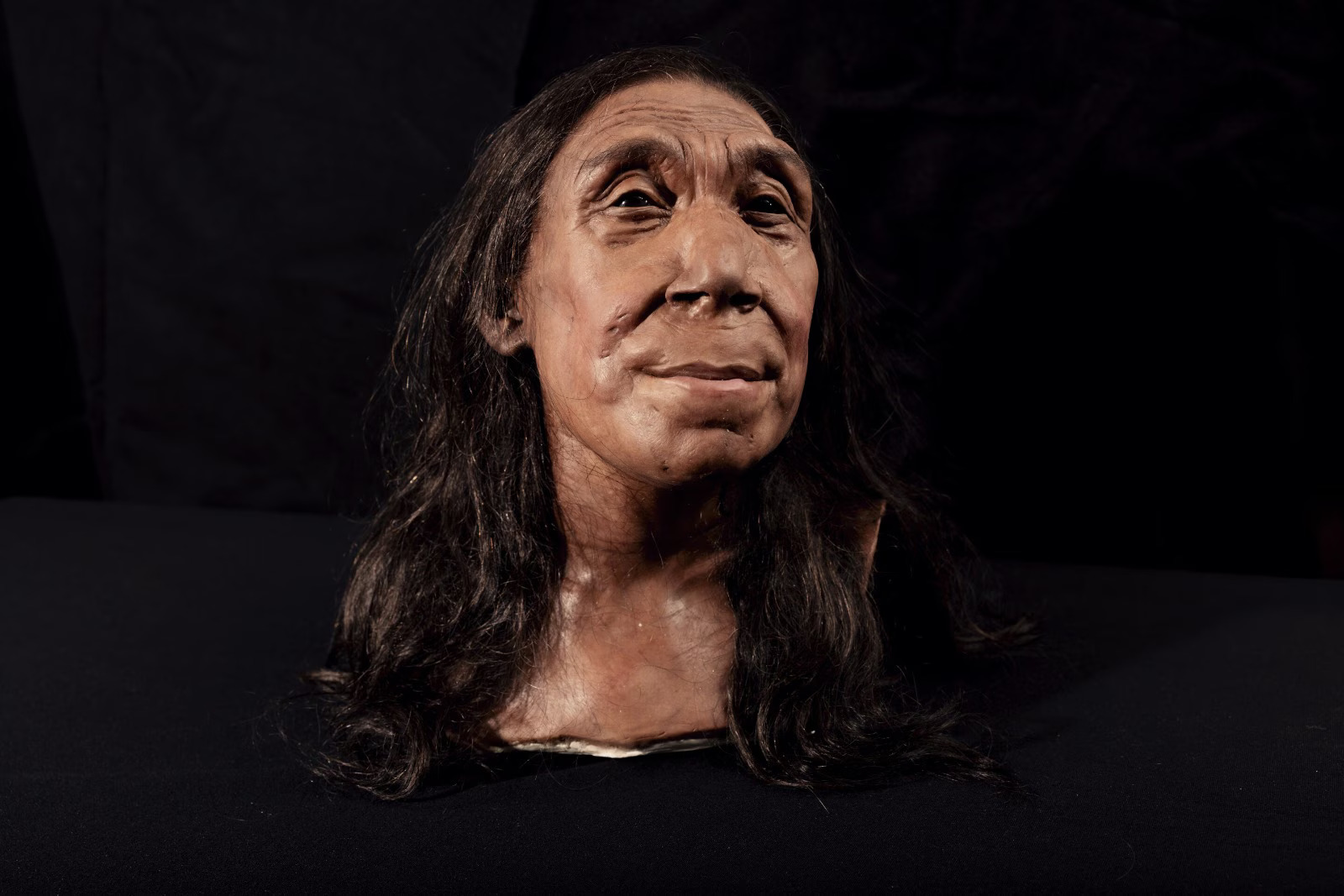
According to the BBC, the facial reconstruction was carried out by a Swedish laboratory specialising in human reconstructions, along with an international research team. Speaking about Dawn’s stern expression, orthodontics professor Manolis Papagrikorakis told Reuters, “It’s not possible for her not to be angry during such an era.” Researchers also uncovered several other details about Dawn’s life and physical traits through the study.
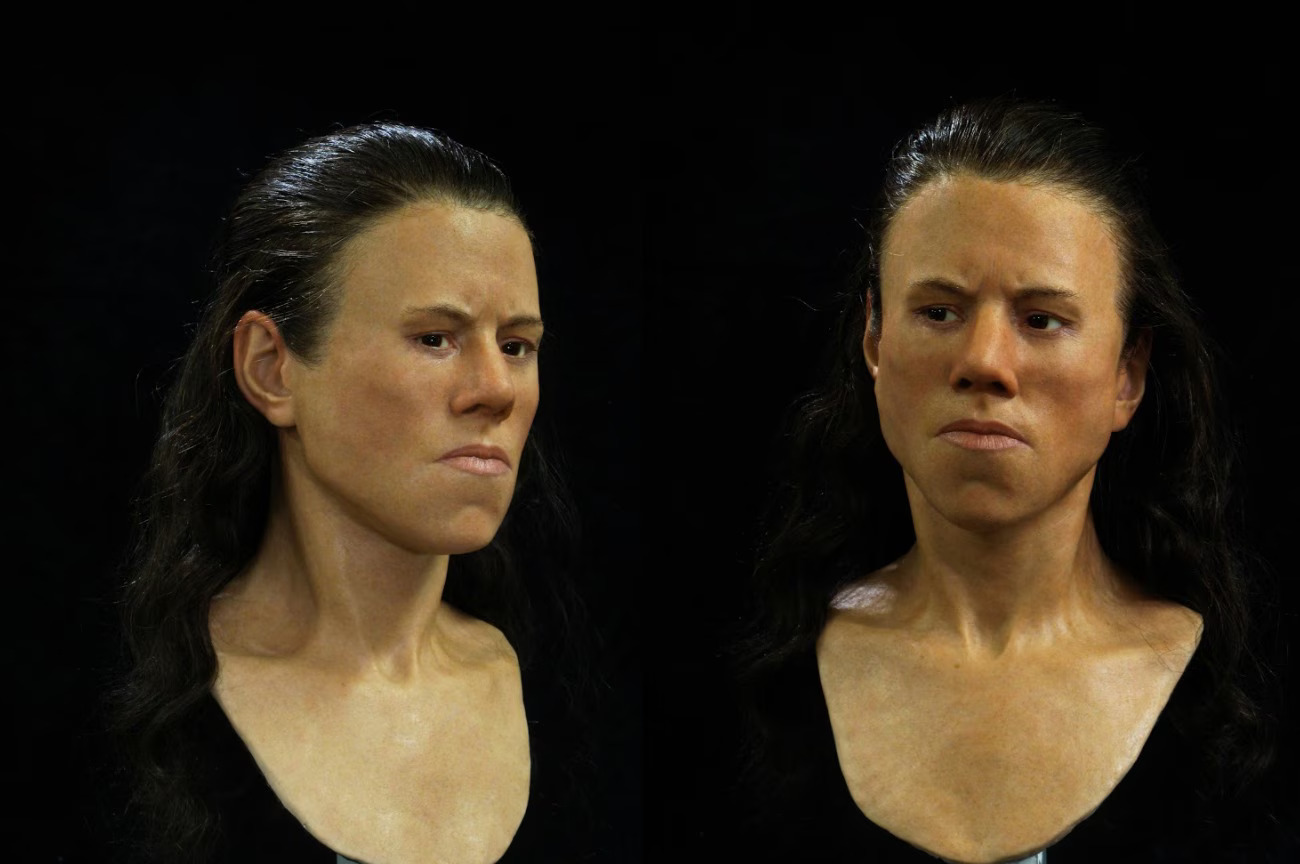
Researchers believe Dawn may have suffered from anaemia and vitamin deficiencies, and possibly scurvy. She also had a protruding jaw, which scientists suggest could have been caused by chewing animal skin to soften it into leather. Studies further indicate she may have had hip and joint problems that affected her mobility, which could have played a role in her early death.

Researchers said Dawn’s bones suggested she was around 15 years old at the time of her death, while dental analysis indicated she may have been closer to 18. Other features, such as her skin and eye colour, were estimated based on typical population traits from the region. Her reconstructed face was later displayed at the Acropolis Museum in Athens.
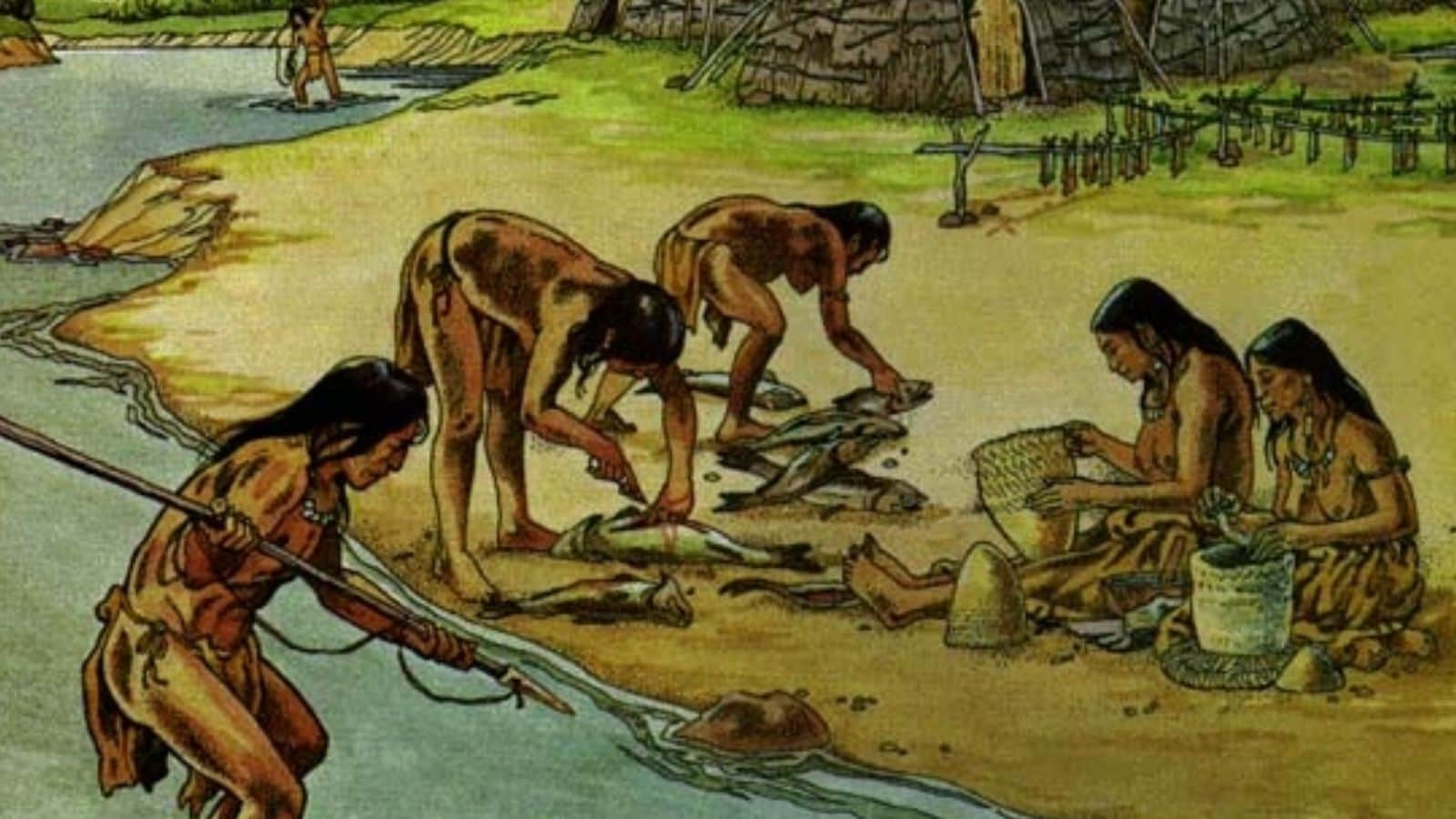
Much about Dawn and the Mesolithic Age remains unknown, including the exact cause of her death. The Mesolithic period marked a crucial transition as humans shifted from hunting and gathering to early farming, according to National Geographic. In this context, Dawn’s remains offer archaeologists a valuable glimpse into the past, with her facial and skeletal features revealing possible diseases and the challenges that may have shaped her short life.
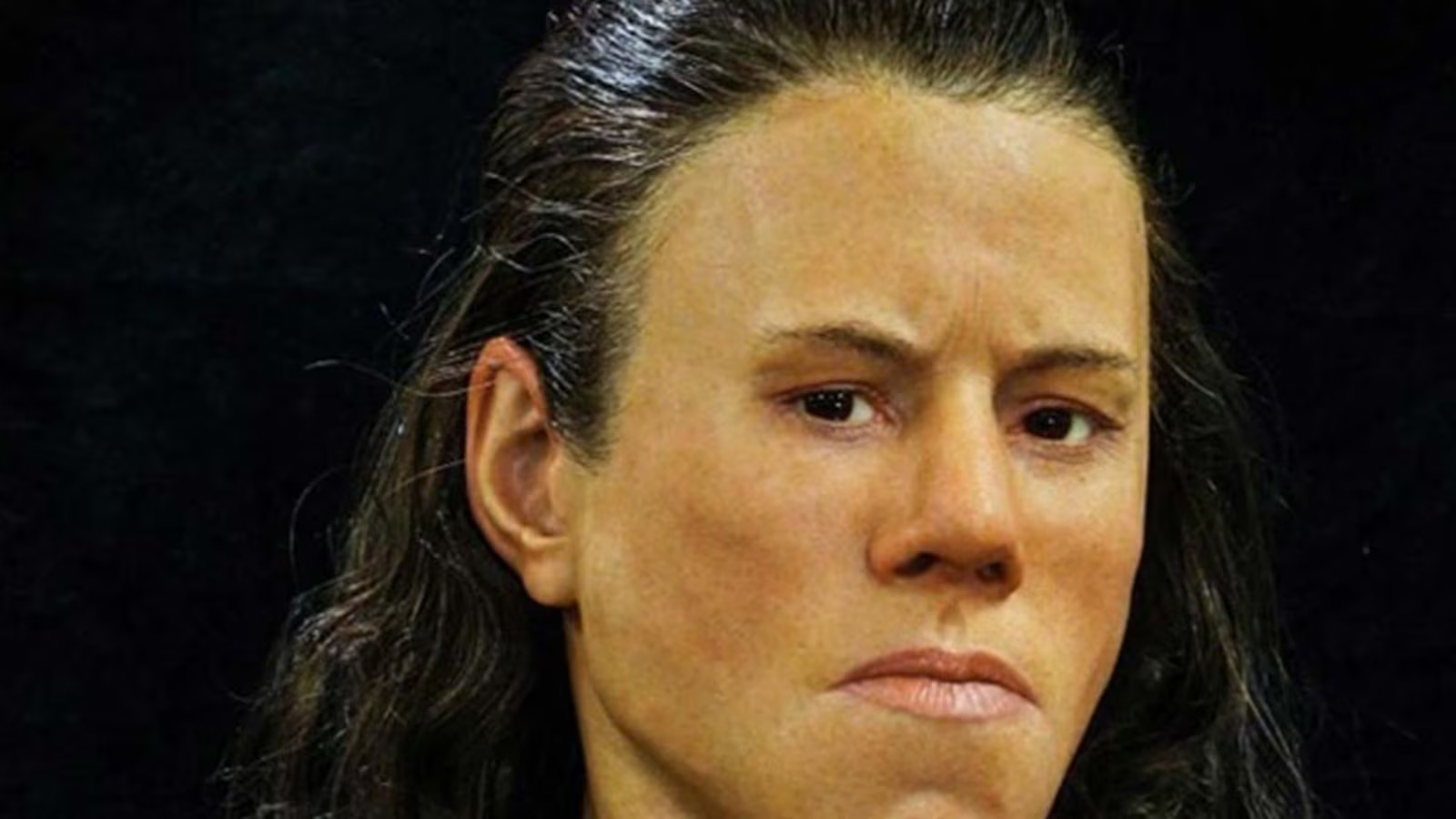
Dawn is not the only ancient human whose face has been reconstructed by scientists. Researchers also recreated the face of Myrtis, an 11-year-old Athenian girl who lived around 430 B.C. Comparisons between Dawn and Myrtis show noticeable changes in facial structure over time, with features appearing to become softer. Other notable reconstructions include an ancient Peruvian queen and the man linked to the famous 9,500-year-old Jericho Skull, offering rare glimpses into how humans looked across different eras.
Stay updated with the latest developments and key highlights. Explore politics, city news, explainers, and expert opinions, and join the fun with interactive games to stay informed.