


DCGA Removes Weekly Rest Requirement; IndiGo Granted Exemption on Night-Time Pilot Duty Limits
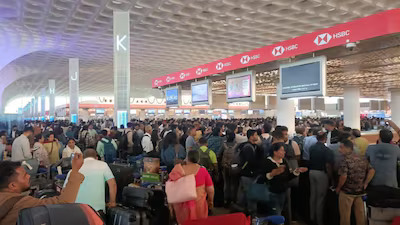
IndiGo CEO Pieter Elbers issued a statement on Friday, December 5, apologising to passengers for the ongoing operational crisis. His remarks came after the airline cancelled more than 1,000 flights that day — the highest number since the disruption began. Although Elbers assured that operations would return to normal between December 10 and 15, many soon accused him of misleading passengers about the real reasons behind the widespread cancellations.
Community notes on X pointed out that IndiGo had been aware of the upcoming pilot duty time limitation (FDTL) rules for more than a year. These regulations were introduced by the Directorate General of Civil Aviation (DGCA) in early 2024, formally notified between January and June, and rolled out in stages beginning July 2024. Phase II became fully effective on November 1, 2025. The DGCA has since removed the weekly rest clause from the FDTL framework.
Did IndiGo Really Know About the Rules a Year Ago, as Claimed by X Community Notes?The DGCA’s pilot duty time limitation (FDTL) rules were first proposed in early 2024, and IndiGo was informed about the upcoming changes. Phase I of the new norms took effect in July 2024, while the complete Phase II implementation, as outlined in the notification, came into force in November 2025.
When Did the DGCA First Announce the Rules?
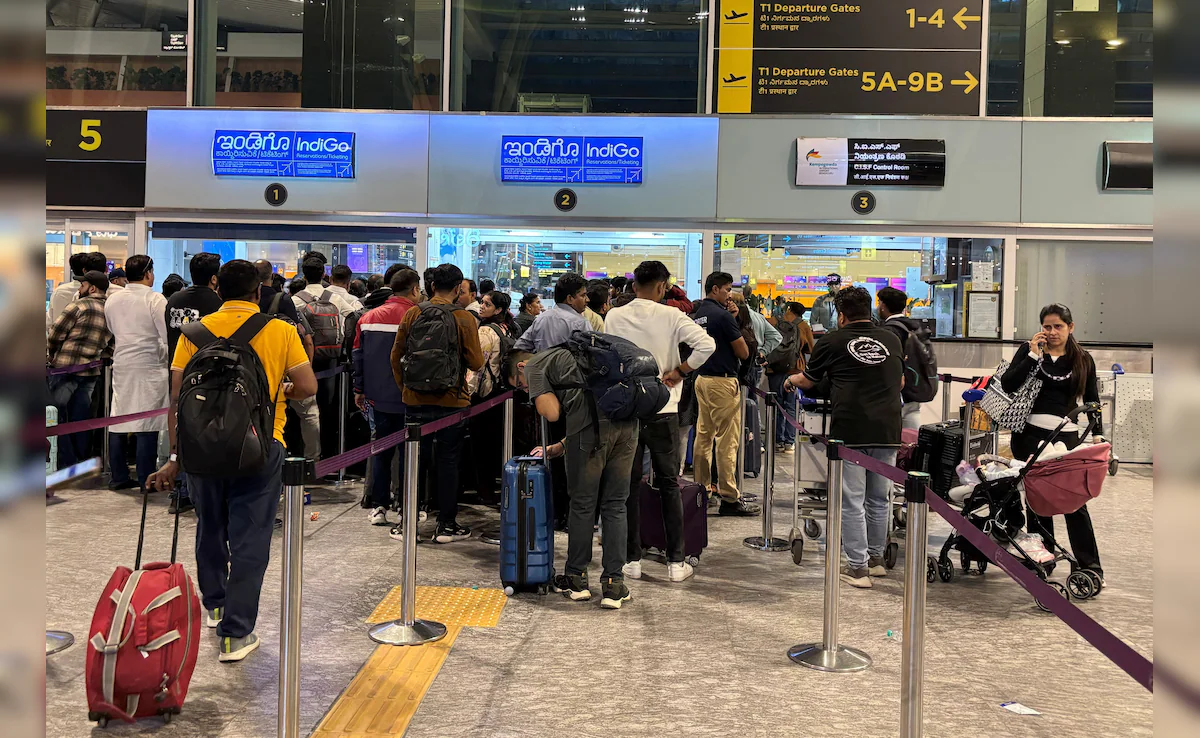
The updated Flight Duty Time Limitations (FDTL) rules were introduced in January 2024. The revisions were shaped by international benchmarks, pilot fatigue studies, and multiple petitions submitted by pilot unions since 2019.
Important Announcements and Key Notification Dates
On January 8, 2024, the DGCA issued the Civil Aviation Requirements (CAR) Section 7, Series J, Part III, Revision 1. Key updates included a weekly rest period of 48 hours, increased from the previous 36 hours, and a reduction in the maximum number of night landings from six to two. Additionally, extended night duty was redefined as the period between 0000 and 0600 hours. The formal notification was later released on May 31, 2024, with an initial compliance deadline set for June 1, 2024.
Airlines such as IndiGo requested delays in the rollout of the revised Fatigue Duty Time Limit (FDTL) rules, resulting in a phased implementation.
Originally, the rules were scheduled for full compliance by June 1, 2024. However, following directives from the Delhi High Court emphasizing fatigue safety and concerns raised by airlines over crew shortages and potential reductions of up to 20% of flights, the rollout was restructured into a two-phase plan.
Phase I began on July 1, 2025, introducing a 48-hour weekly rest period. Phase II came into effect on November 1, 2025, imposing stricter limits: a maximum of two night landings per week (down from six), restrictions on consecutive night duties, and an extended night duty window from 0000 to 0600 hours. These changes caused operational disruptions for IndiGo.
Recent exemptions granted to IndiGo, including flexibility in weekly rest requirements until February 2026, aim to mitigate the impact of the FDTL norms, with fortnightly reviews monitoring compliance.
Why Couldn’t IndiGo Ensure a Smooth Rollout?
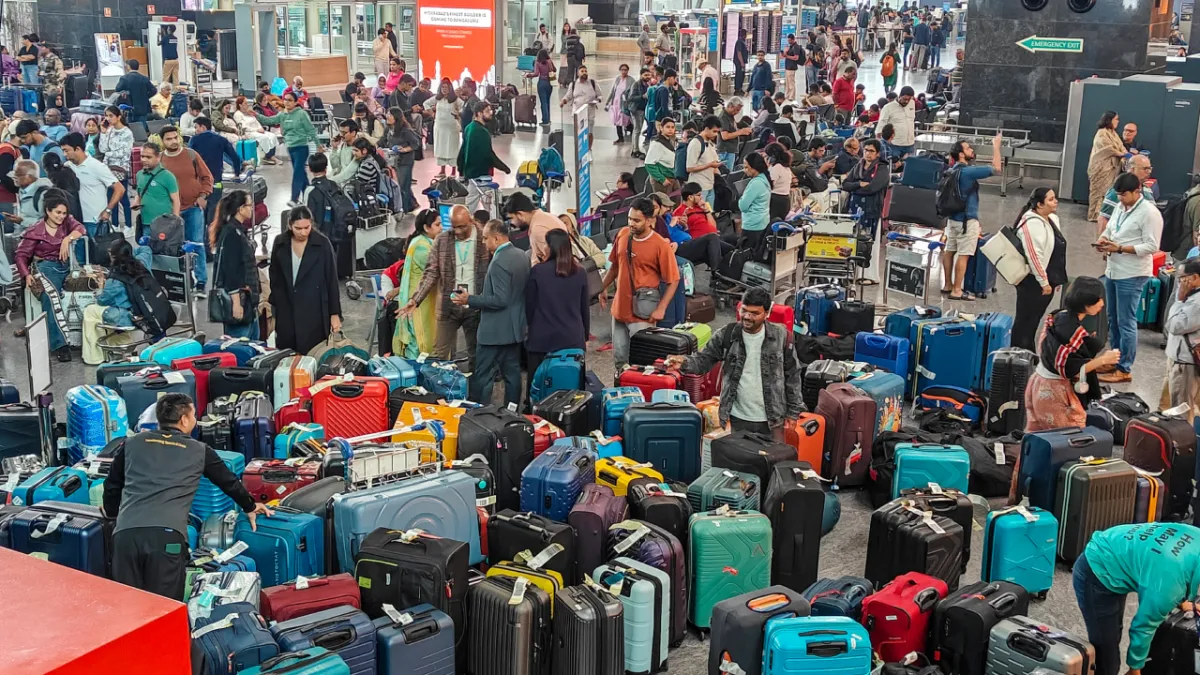
Despite having nearly two years’ notice, IndiGo was unprepared for a seamless implementation of the FDTL regulations. Cost-cutting measures—such as pilot pay freezes, non-poaching agreements with competitors, and prolonged hiring freezes—left the airline short by approximately 300–500 pilots when Phase II of the FDTL rules took effect on November 1, 2025.
Key Preparation Failures:
-
Hiring and Training Gaps: IndiGo did not follow DGCA advisories to increase recruitment. After Phase I (July 1), the airline reduced pilot leave quotas and attempted to buy back leave, which lowered morale and worsened shortages, even as executive pay rose.
-
Rostering Misjudgment: The airline maintained minimal crew buffers for about 60% of operations, especially during extensive night flights. The Phase II rules—mandating 48-hour weekly rest and a maximum of two night landings per week—exposed these weaknesses, further compounded by challenging winter schedules.
- Strategic Short-Sightedness: Pilot unions, including ALPA and FIP, accused IndiGo of “cartel-like behavior,” alleging that the airline pressured the DGCA through flight cancellations rather than investing in pilot retention and training, as other carriers had done.
IndiGo attributed the cancellations to external factors such as weather and technical issues but admitted to “planning gaps” to the DGCA, leading to exemptions valid until February 2026. The weekly rest rule was subsequently withdrawn. In a statement, the DGCA explained: “…in view of the ongoing operational disruptions and feedback from airline representatives regarding the need to ensure continuity and stability of operations, it has been considered necessary to review the said provision.”