

Just before the holidays, tiny automobiles and commuter bikes receive a GST reduction, which is a huge win for those on a tight budget.
The price of your next bike or car has dropped! Taxes on three-wheelers, small automobiles, and bikes up to 350cc have been lowered by the GST Council from 28% to 18%.
As luxury autos and large motorcycles enter a harsh new 40% slab, this festive-season gift, which will go into effect on September 22, 2025, will lower the cost of entry-level rides while still attracting a lower tax. How? To learn more, read this story through to the conclusion!
Small Cars, Bikes & Three-Wheelers Get A Tax Break
The government has changed the GST rates for cars in a landmark GST reform. In time for the festival season, this will make affordable hatchbacks, commuter cycles, and autorickshaws accessible to consumers.
According to the new definition, tiny automobiles are defined as vehicles with a maximum length of 4000mm and a capacity of up to 1200cc for gasoline or up to 1500cc for diesel. These firmly belong to the 18% GST group.
In conclusion, the following automobiles are included in the 18% GST slab:
Small automobiles, such as the Maruti Dzire, Kia Syros, etc., with engines up to 1200cc for gasoline and up to 1500cc for diesel, and with a length under 4000mm.
20250401_185250.jpg)
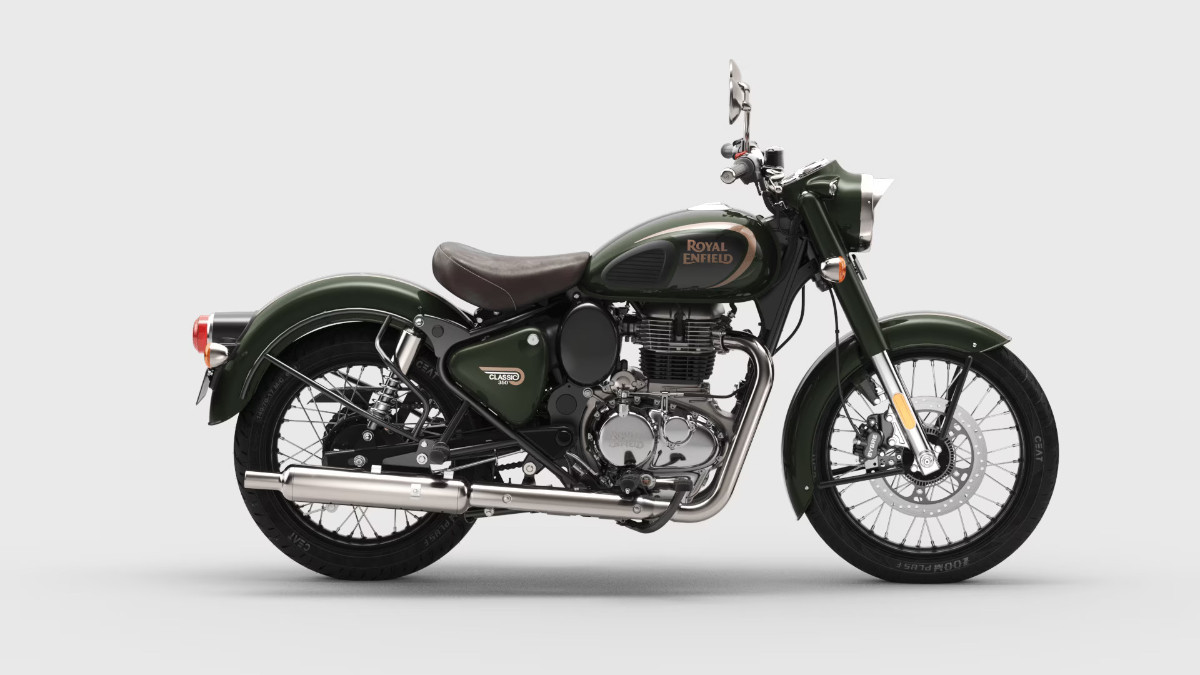
motorcycles with a displacement of up to 350cc, such as the Royal Enfield Classic 350 and Bullet.
-
Three-wheelers
-
Hybrid cars, i.e. Petrol/LPG/CNG up to 1200cc or diesel up to 1500cc, under 4000m,m like Brezza S-CNG, Nexon CNG, and more.
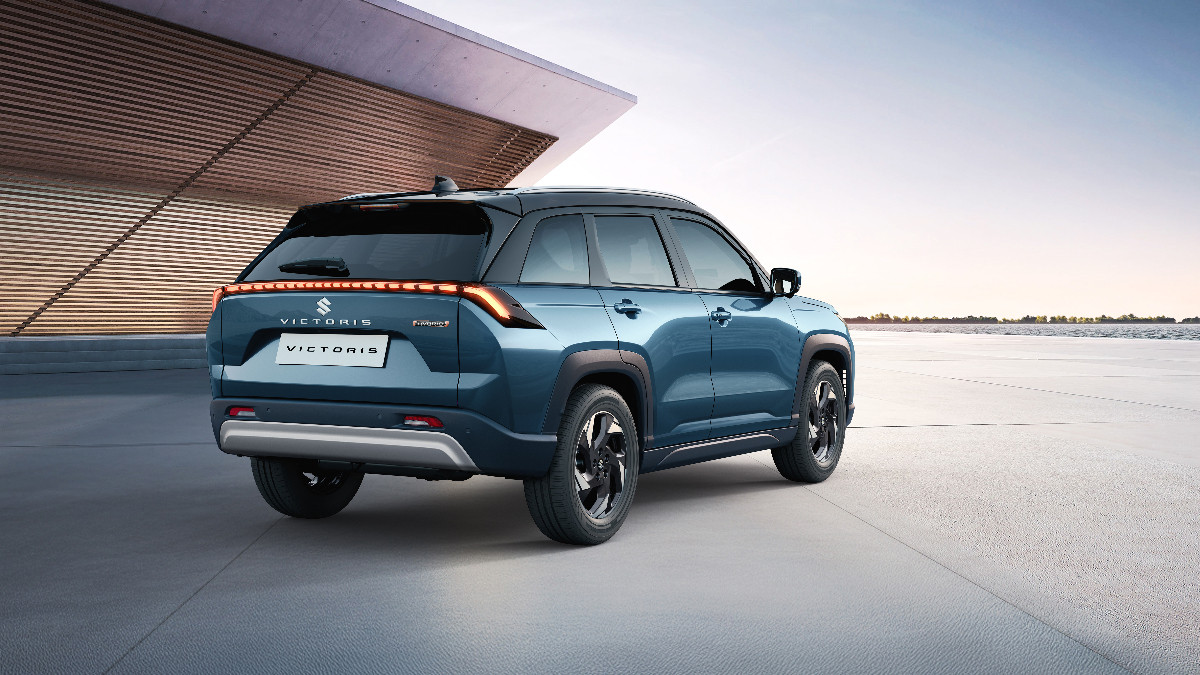
Above these thresholds, however, hybrid diesels and gasoline hybrids (such as the Maruti Grand Vitara, Toyota Innova Hycross, and the recently or soon-to-be Maruti Victoris) enter the higher 40% range.
What Moves To The 40% Slab?
The council has introduced a new 40% slab for luxury and sin items.
Motorcycles with engine sizes above 350cc, like KTM Duke 390, Triumph Speed 400 and more

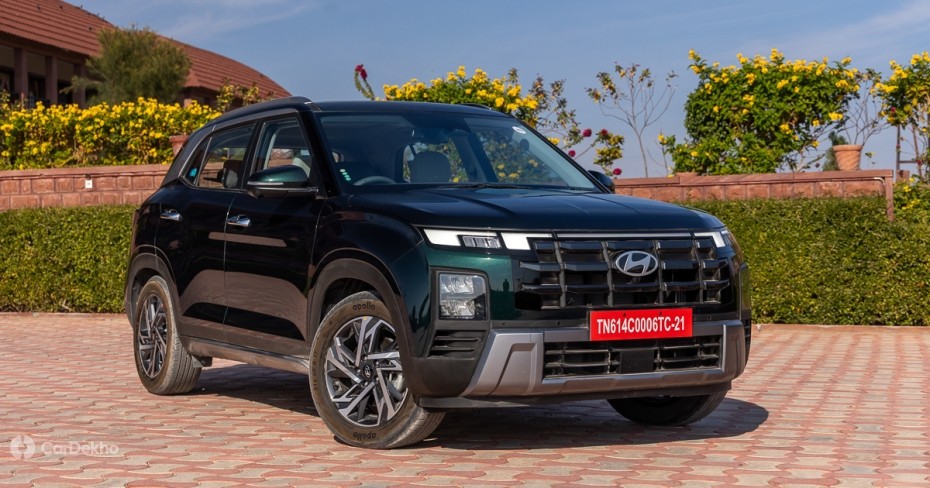
Large and mid-size vehicles, such as the Hyundai Creta, Kia Seltos, and others, that are longer than 4000mm and have displacements greater than 1200cc for gasoline and 1500cc for diesel
Petro/LPG/CNG vehicles with displacements greater than 4000mm and 1200cc, such as the Honda City e:HEV, Maruti Grand Vitara, and the soon-to-be Maruti Victoris CNG
-
Aircraft, yachts, and other recreational vehicles for pleasure purposes
Not all mass-market vehicles are less expensive. Automobiles longer than four meters and/or with engines larger than 1500cc will also become more reasonably priced. This is expected to help vehicles like the Hyundai Creta, Kia Seltos, Tata Harrier, Mahindra XUV700, and Mahindra Scorpio N.
In the past, these cars would have had a 50% effective tax plus a 22% compensatory cess. The cess component has been completely removed by the GST amendments, and these vehicles will now pay a flat 40% tax.
Consistency Across Commercial Vehicles & Parts
Additionally, the GST Council has streamlined taxes for commercial enterprises:
-
Buses, trucks, and ambulances are now uniformly charged at 18% (previously 28%).
-
Auto parts are now bracketed in a single 18% rate, regardless of HS code classification.
The supply chain will likely become simpler as a result of this action, which will lessen misunderstanding among manufacturers and parts suppliers.
Electric Vehicles Remain At 5%
It is interesting to see that the EV market remains unchanged. The 5% GST discount still applies to all electric cars, two-wheelers, and three-wheelers, keeping them the most tax-favored mode of transportation.
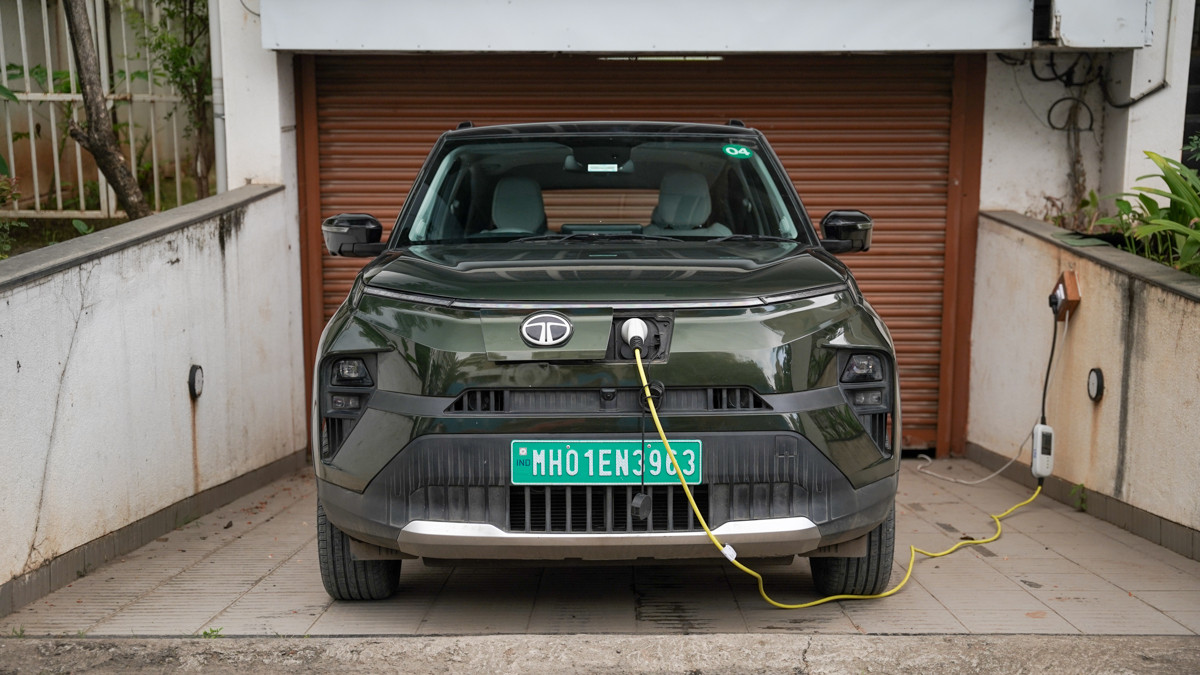
Although the 5% band is still in place, neither a price cap nor any clarity regarding premium EVs have been established.
Why Does It Matter For Buyers And The Industry?
Customers may save a significant amount of money as a result of the GST reduction on compact automobiles and commuter bikes from 28% to 18%, which is a 10 percentage point decrease.
For instance, GST reductions may result in a hatchback that was previously priced at Rs 6 lakh (ex-factory) being up to Rs 60,000 less.
20250402_173431.jpg)
It is a festival boost for the auto industry, which has been dealing with dreary sales. Demand for locally produced automobiles and two wheelers is probably going to increase, and luxury and premium cars are also becoming more affordable, albeit not by as much.
When Do The Changes Kick In?
A few weeks prior to the festival season, on September 22, 2025, all GST rate adjustments will take effect.
Overall, things appear to be improving if you intend to purchase a new car, and you should wait until the new GST regime takes effect. This should make our family happier and our holiday season less expensive.