

From August 25, commuters using the Delhi Metro will have to pay new tariffs, which would increase the cost of tickets by ₹1 to ₹4. The new structure raises the lowest and highest tariffs to ₹11 and ₹64, respectively. Daily riders have had conflicting opinions on the hike.
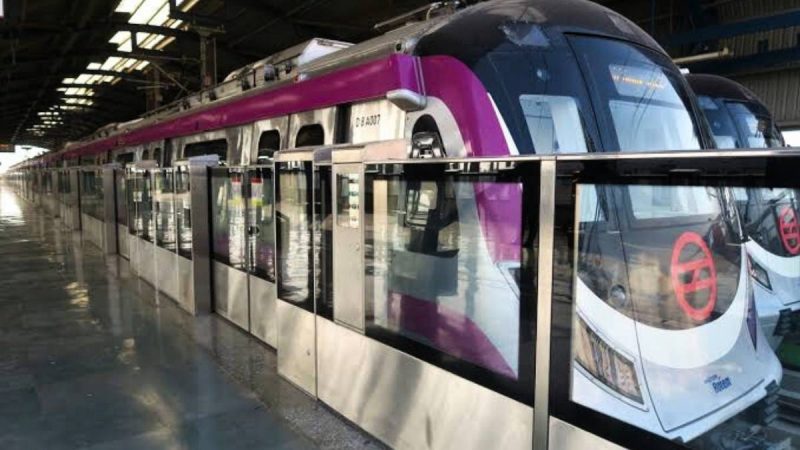
The Delhi Metro Rail Corporation (DMRC) has finally pushed through a fee raise after keeping fares constant for eight long years, and the decision has deeply offended daily passengers. The “nominal adjustment” that DMRC refers to feels everything but “nominal” to office workers who are already feeling the pinch of growing expenses, packed trains, and erratic frequency.
Rise In Delhi Metro Fare: ₹1 To ₹4
With tickets now ranging from ₹11 for short journeys to ₹64 for longer rides, commuters will be paying an additional ₹1 to ₹4 for their daily commutes beginning of August 25. The pinch is more severe—up to ₹5 more—on the Airport Line.
It all started when a commuter turned to X to express their annoyance with the abrupt increase after seeing a fee adjustment poster at a metro station. Other users were upset about how the rise will affect their daily expenditures, and the post quickly gathered popularity.
DMRC intervened with an official comment when the discussion grew more heated, referring to the change as “trivial” and reminded travelers that the last alteration was made in 2017. This is to certify that the increased Delhi Metro tariffs will take effect tomorrow, August 25, 2025. Fares will rise from ₹1 to ₹4 as part of the nominal revision. DMRC stated that the Airport Line rates would rise by as much as ₹5. However, the explanation did little to alleviate the pain for passengers, who continued to focus on crowded trains, protracted wait times, and the perception that improved service was not being provided by higher costs.
For commuters, the revision feels like déjà vu: greater fees without any discernible improvement in service. For DMRC, the revision is “minor.” “You increase prices yet are unable to ensure a seat? Another irate user on X.translating into better service wondered, “What precisely are we paying for?”
Public Reaction Is Anything But Normal
On social media, that frustration is a recurring topic. When his daily card swipe went from ₹54 to ₹60 overnight, a traveler heading to Millennium City became enraged and called the change “nonsense.” Another said that while the Pink Line typically has six to seven minutes between trains, riders in Krishna Park frequently wait for a train for sixteen minutes. One user said, “Increase frequency first, then discuss fares.”
Others responded more directly, saying, “Tum log bas fare badao, aur ham public ko preshan karo.” Even those defenders acknowledged that DMRC messed up the communication by making the announcement at the last minute, despite some arguing that the raise is small and “nearly negligible.”Others responded more directly, saying, “Tum log bas fare badao, aur ham public ko preshan karo.” Even those defenders acknowledged that DMRC messed up the communication by making the announcement at the last minute, despite some arguing that the raise is small and “nearly negligible.”
For thousands of office workers who must deal with rush hour traffic, crowded buses, and sporadic delays, metro travel is already a lifesaver. By month’s end, many people find that an additional ₹10 every day adds up to hundreds. When earnings are not increasing as fast, this is a painful point. One commuter’s remark, “DMRC changes fares faster than our earnings react to inflation,” perfectly captured the sentiment.
Following approval of a new structure by the Fourth Fare Fixation Committee, the most recent adjustment was made in 2017. The top slab cost ₹60 back then. With discounts on Sundays and national holidays, it is currently ₹64.
The disparity between the public’s sentiment and DMRC’s framing is remarkable. Riders see it as a betrayal of faith, while officials describe it as a minor modification. Additionally, that ₹4 raise will seem like more than just spare change until day trains operate more regularly and crowding subsides.