

By 2028, the European Union intends to completely digitize the Schengen visa application process, making it faster and safer. An encrypted 2D digital barcode will take the place of the conventional visa stickers, and travelers will be able to finish the procedure online.
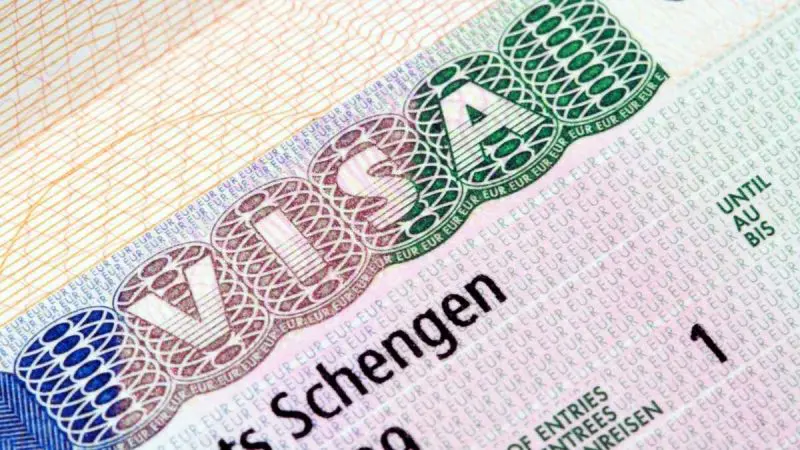
With the European Union’s decision to become entirely digital, the Schengen visa application procedure is expected to become faster and more effective. Travelers will now receive an encrypted 2D digital barcode that will streamline the visa application process, eliminating the need for them to wait in line for papers. By 2028, it is anticipated that these new modifications will be implemented. To get the specifics, read on.
The Schengen Visa Procedure Will Be Digitalized
In order to improve security, encourage a tech-friendly attitude, and expedite the application process, the European Union has chosen to replace conventional visa stickers with an encrypted 2D digital barcode, according to Economic Times. The new adjustment will apply to travelers who have previously visited the embassy, but first-time visitors to Europe will still need to come in to provide biometrics.
France trialed issuing 70,000 barcode-enabled digital Schengen visas for the 2024 Summer Olympics in Paris. Travelers will be able to scan these barcodes at borders once the new system is fully operational, and their personal information and visa information will be sent to the EU database.
Applicants can use the barcode to apply for a visa online, upload supporting documentation, pay costs, and check their status. A digitally signed barcode visa will be issued to the applicants upon completion of the process.
The European Union’s Two New Schengen Visa Border Regulations
The European Union is preparing new border regulations to facilitate transit for contemporary tourists, according to NDTV reports.
1. EES (Entry/Exit System) Beginning in October 2025, biometric checks will replace passport stamping at crossings. When you enter and exit Schengen areas, the authorities will record your face scan and fingerprints.
2. The European authorization and travel information system (ETIAS) By 2026, the EU intends to have this system in place, particularly for visitors from the United States and the United Arab Emirates. Travelers must complete an application under this method before to their journey.
Additionally, Indian visitors who have already used a Schengen visa twice in the last three years may be eligible for a long-term visa under the EU’s new “cascade” system. The duration of the long-term visa is two to five years.
It is encouraging to see the EU working to streamline the travel process at a time when the majority of things are going digital. We are eager for the digital Schengen visa to be implemented, even though it will take some time!