
The Psychology of Nostalgia in Modern Media
Nostalgia is a powerful force in modern media. It's the reason why we can't get enough of reboots, revivals, and retro culture. But what drives this nostalgia, and how does it impact our media consumption habits? In this article, we'll delve into the psychology behind nostalgia in modern media and explore why we're so obsessed with revisiting the past.
The Psychology of Nostalgia
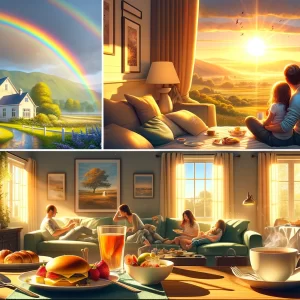
Nostalgia is a complex emotion that's often associated with feelings of warmth, comfort, and happiness. It's a sentimental longing for the past, often triggered by sensory cues such as music, smells, or images. But what's behind this nostalgia, and why do we tend to romanticize the past?
According to psychologist Dr. Constantine Sedikides, nostalgia serves as a coping mechanism for stress, anxiety, and uncertainty. "Nostalgia is a mental time machine that transports us back to a bygone era, allowing us to relive fond memories and experiences," he explains. Nostalgia is a potent antidote to the existential threats of meaninglessness, mortality, and social exclusion.
This nostalgia can be triggered by various factors, including social media, advertising, and media consumption. For example, watching an old favorite TV show or movie can evoke feelings of nostalgia, transporting us back to a simpler time.

The Rise of Reboots, Revivals, and Retro Culture
Reboots, revivals, and retro culture have become increasingly popular in recent years. From the revival of classic TV shows like "Full House" and "Gilmore Girls" to the reboot of iconic movie franchises like "Star Wars" and "Ghostbusters," it seems like everything old is new again. But what's driving this trend, and how are creators using nostalgia to engage audiences?
One reason for the rise of reboots and revivals is the desire for comfort and familiarity. In an uncertain world, audiences are seeking comfort in familiar stories, characters, and settings. Reboots and revivals offer a sense of nostalgia and continuity, allowing audiences to relive fond memories and experiences.
Another reason is the desire for social connection. Reboots and revivals often create a sense of shared experience, allowing audiences to connect with others who share similar interests and memories. This social connection can be a powerful driver of engagement, encouraging audiences to share and discuss their favorite shows and movies on social media.
Case Studies of Successful Nostalgic Media
Several recent releases have successfully tapped into nostalgia, including:
- "Stranger Things," a Netflix series that pays homage to classic sci-fi and horror movies of the 1980s.
- "The Matrix Resurrections," a sequel to the iconic 1999 movie that explores the consequences of a simulated reality.
- "Star Wars: The Force Awakens," a sequel to the classic 1977 movie that introduces a new generation to the beloved franchise.
These releases have all been successful in part because they tap into nostalgia, evoking feelings of warmth, comfort, and familiarity. They also offer a sense of continuity, allowing audiences to relive fond memories and experiences.
The Impact of Nostalgia on Our Perception of New Media
Nostalgia can have a significant impact on our perception of new media. When we watch a new release, we often view it through the lens of our past experiences. This can influence our opinions and preferences, making us more likely to enjoy a release that taps into our nostalgia.
For example, when watching a new "Star Wars" movie, we might compare it to the original trilogy, evaluating its success based on how well it captures the spirit of the original. This nostalgia can create a sense of expectation, making us more likely to enjoy a release that meets our expectations.
However, nostalgia can also be a double-edged sword. When we're too focused on the past, we might overlook the merits of a new release. We might criticize a reboot or revival for not living up to the original, rather than evaluating it on its own terms.
The Potential Downsides of Nostalgia-Driven Media
While nostalgia can be a powerful driver of engagement, it also has its downsides. When we're too focused on the past, we might overlook the merits of new and innovative ideas. We might rely too heavily on familiar formulas and franchises, rather than taking risks on new and original stories.
This can lead to a lack of diversity and creativity in media, as creators rely on proven formulas rather than pushing the boundaries of what's possible. It can also lead to a sense of stagnation, as audiences become bored with the same old stories and characters.
Some of the potential downsides of nostalgia-driven media include:
- Lack of originality and creativity
- Over-reliance on familiar formulas and franchises
- Limited diversity and representation
- Stagnation and boredom
The Thrill of Nostalgia in Games of Chance
Nostalgia plays a significant role in our attraction to games of chance, particularly those that evoke a sense of retro charm. The bright lights, familiar sounds, and classic imagery of old-school games can transport us back to a bygone era, much like reboots and revivals in modern media. This nostalgia can be a powerful draw, making us more likely to engage with games that tap into our fond memories. For those looking to experience the thrill of nostalgia in a game of chance, Limerick Lightning slot online demo (Blueprint Gaming) offers a unique blend of retro style and modern gameplay. With its vibrant graphics and catchy sound effects, this game is sure to transport you back to a time when life was simpler, and the stakes were lower. So why not give it a try and see if you can recapture the magic of the past?
Conclusion
Nostalgia is a powerful force in modern media, driving our obsession with reboots, revivals, and retro culture. By understanding the psychology behind nostalgia, we can better appreciate its impact on our media consumption habits. While nostalgia can be a powerful driver of engagement, it also has its downsides, including a lack of originality and creativity. As creators and audiences, we must strike a balance between nostalgia and innovation, embracing the past while pushing the boundaries of what's possible.